








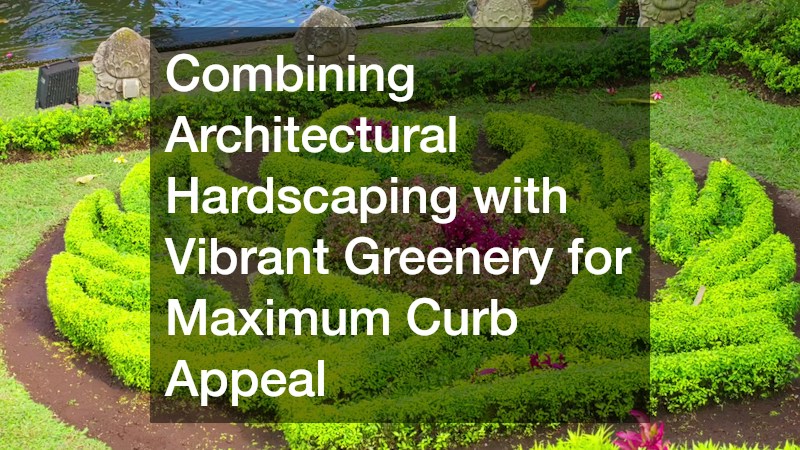
The exterior of your home serves as its primary greeting to the world, forming an immediate impression for guests, neighbors, and prospective buyers long before they ever step through the front door. While interior design reflects personal style within private spaces, front-facing landscaping establishes the overall architectural tone, structural harmony, and perceived financial value of your entire property. A common pitfall for homeowners seeking to elevate their curb appeal is relying far too heavily on a single design element—focusing exclusively on maintaining a manicured lawn while ignoring necessary pedestrian pathways, or constructing massive stone walls and paver driveways that feel sterile, cold, and completely disconnected from nature.
An overemphasis on hard, inorganic materials can leave a property looking rigid and uninviting, while an unanchored collection of plant beds often appears chaotic, overgrown, and lacking clear structural definition. True outdoor elegance emerges from a deliberate, highly calculated synthesis of permanent architectural masonry and thriving, organic softscapes. When engineered stone walkways, retaining walls, seating ledges, and paver borders are woven together with multi-layer perennial gardens, sculptural evergreens, groundcovers, and dense turf, your front yard transforms into a dynamic, multi-dimensional display that frames the home’s existing architecture.
Achieving this level of visual synergy requires far more than haphazardly placing stone pavers next to flower beds. It demands careful master planning, a deep understanding of spatial proportions, precise engineering and installation techniques, and ongoing horticultural care. When properly executed, the hardscape provides the enduring framework and clean lines that guide the eye, while the softscape introduces color, movement, fragrance, and seasonal evolution. This thoughtful union ensures your physical investment matures gracefully, maintaining its structural integrity and visual warmth across every changing season.
Establishing a Unified Master Plan for Stonework and Softscapes
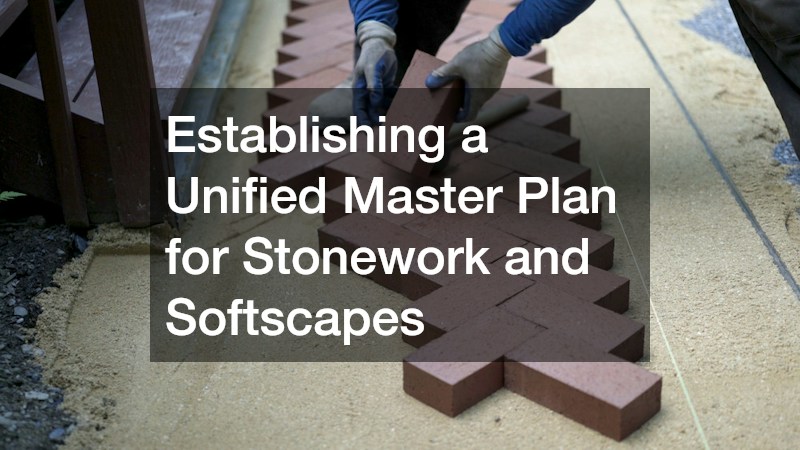
Creating an exterior environment that looks intentional rather than piecemeal requires a comprehensive master plan before a single shovel strikes the dirt. A well-conceived site plan accounts for your home’s architectural style, the natural topography of the land, local climate conditions, and the practical movement of pedestrians from the curb or driveway to your front door. Without an overarching design strategy, hard masonry elements and soft plant beds can easily compete for visual attention rather than supporting one another.
To establish a cohesive layout that maximizes both form and daily function, implement these foundational design strategies:
-
Adhere to Proportional Balance: A proven visual guideline in residential exterior design is the 60/40 rule—allocating roughly 60 percent of your visible front yard space to living softscapes (lawns, shrubs, trees, flower beds) and 40 percent to structural stonework (walkways, driveways, steps, and walls). This ratio prevents hard stone surfaces from overwhelming the natural environment while ensuring the property does not look wild or untamed.
-
Map Natural Pedestrian Paths: Design walkways that reflect organic movement. Instead of forcing guests onto narrow 36-inch concrete paths, create generous 48-to-60-inch wide paver walkways that gently curve toward primary entryways, allowing two people to walk side-by-side comfortably.
-
Harmonize Material Color Palettes: Select stone materials that complement your home’s exterior siding, brickwork, or trim. If your home features warm earth tones, choose natural flagstone, golden-hued fieldstone, or warm tan pavers. For cool-toned gray siding or blue slate roofs, granite or cool gray concrete pavers offer a seamless match.
-
Leverage Professional Spatial Planning: Partnering with an expert team to access comprehensive landscape design services ensures that soil types, drainage requirements, and sunlight exposure are evaluated accurately. Utilizing 3D digital renderings allows you to visualize how seasonal foliage colors will look alongside hard stone surfaces across spring, summer, and autumn.
-
Engage Local Regional Expertise: Sourcing support from a knowledgeable local landscaping contractor guarantees that your project complies with municipal setback codes, drainage regulations, and plant hardiness zones, ensuring long-term success.
Taking the time to develop a detailed master plan eliminates costly design mistakes, ensures fluid movement across your site, and creates a unified aesthetic that elevates your home’s exterior.
Building Structural Elevation and Terraced Garden Spaces
Flat front yards often lack visual interest, while severely sloped properties present significant challenges regarding soil erosion, difficult lawn maintenance, and unusable space. Incorporating elevated masonry features allows you to introduce dramatic vertical structure, control rainwater runoff, and turn steep incline angles into organized, multi-tiered planting beds.
Implement these actionable engineering and planting techniques to master elevation changes:
-
Engineered Grade Stabilization: When dealing with sloping yards, installing custom retaining walls creates level, terraced ground planes that stabilize topsoil, prevent severe erosion, and protect your home’s foundation from water pooling during heavy rainfall.
-
Integrate Sub-Surface Drainage: Every elevated masonry structure must manage hydrostatic pressure. Ensure your construction includes clean gravel backfill, perforated drain pipes, and filter fabric behind stone barriers to allow water to weep through naturally without causing walls to bow, shift, or crack during winter freeze-thaw cycles.
-
Softening Hard Structural Edges: Prevent large stone walls from appearing cold or overly industrial by incorporating cascading groundcovers along upper borders. Planting trailing rosemary, creeping phlox, alyssum, or low-growing sedum allows vibrant greenery and flowers to spill over stone edges, blurring the line between structural stonework and natural plant beds.
-
Tiered Height Selection: When populating terraced garden beds, arrange plant species by height. Place taller, deep-rooted shrubs near the back wall for structural grounding, fill mid-tier levels with flowering perennials, and border front stone edges with low-profile accent plants.
-
Precision Site Preparation: Executing a durable hardscape installation demands proper base excavation, crushed stone compaction, and level base-course setting. A firm base ensures stone steps, borders, and elevated terraces remain plumb and level for decades.
Constructing terraced stonework transforms challenging terrain into an advantage, introducing rich texture and vibrant garden layers right at eye level.
Creating Functional Outdoor Living and Entry Zones
The space surrounding your front entrance sets the emotional tone for your entire home. By extending paver surfaces beyond a simple landing pad, you can create inviting front-porch sitting areas, wide entry plazas, and decorative stone features that merge interior hospitality with outdoor beauty.
Focus on these practical design steps to craft functional, welcoming entrance zones:
-
Expand Entry Plazas: Upgrade narrow front stoops into spacious paver patios or stone courtyards. Adding a wide, paved apron in front of your doorway creates a grand sense of arrival and offers space for decorative urns, outdoor benches, or seasonal planter displays.
-
Incorporate Integrated Masonry Seating: Construct low, 18-inch-high double-sided stone seating walls around the perimeter of front entry patios. These walls define the outdoor room, serve as safety barriers for minor drop-offs, and provide built-in seating for guests without cluttering the patio with excess furniture.
-
Frame Features with Layered Plantings: Flank stone entries and seating walls with layered plant groupings. Position structural evergreens like boxwoods or dwarf Alberta spruces at key corners for year-round green structure, then layer soft, feathery textures like ornamental grasses and lavender nearby to soften rigid masonry lines.
-
Utilize Specialized Masonry Trades: Hiring experienced professionals specializing in hardscaping services guarantees that paver patios, stone steps, and custom wall caps are cut with precision, properly sealed, and seamlessly joined to your home’s existing foundation.
-
Design for Outdoor Entertainment: Collaborating with skilled outdoor living contractors enables you to integrate custom elements into front-porch zones—such as built-in stone planters, custom water features, or gas-lit entryway lanterns—that enhance both daily living and property value.
Designing generous, well-appointed entry zones converts unused front-yard square footage into functional, beautiful living spaces that welcome family and friends.
Illuminating Hardscape Textures and Foliage for Evening Appeal

A truly captivating front yard landscape does not disappear when the sun goes down. A professionally designed low-voltage lighting system brings your property to life at night, highlighting stone textures, accentuating specimen trees, and guiding guests safely along walkways after dark.
Implement these strategic illumination techniques for maximum evening curb appeal:
-
Highlight Stone Textures with Grazing Lights: Position low-profile LED fixtures close to the base of stone walls or textured paver facades, aiming the light beam upward. This “grazing” technique casts soft shadows that highlight the natural depth, grain, and craftsmanship of your masonry.
-
Ensure Pathway and Step Safety: Install subtle under-cap LED fixture strips beneath stone steps and wall caps, or place low-voltage path lights staggered along walkways. Mounting fixtures low to the ground prevents harsh eye glare while illuminating walking surfaces safely.
-
Accentuate Tree Canopies and Sculptural Plants: Place adjustable uplights at the base of architectural trees—such as Japanese maples, river birches, or crape myrtles—to project dramatic branch silhouettes against stone walls or house siding.
-
Engage Lighting Specialists: Contracting custom landscape lighting services ensures your system uses energy-efficient, warm-toned (2700K to 3000K) LED fixtures, low-voltage transformers, and concealed underground wiring for a clean, professional finish.
-
Coordinate Structural and Electrical Trades: Full-scale exterior projects benefit from working with established landscape contractors who can sequence masonry construction, irrigation routing, and electrical wiring simultaneously, eliminating the need to tear up fresh stonework to install cables later.
Thoughtful landscape lighting adds safety, security, and a touch of dramatic elegance, ensuring your home maintains its elevated curb appeal around the clock.
Maintaining Turf Health and Softscape Vibrancy Year-Round

The contrast between crisp stone lines and lush, vibrant greenery is what drives exceptional curb appeal. Even the most expensive stone installation loses its impact if it is framed by dying turf, overgrown weeds, or unkempt plant beds. Maintaining clean borders and healthy flora preserves the visual separation between structural elements and natural growth.
Keep your grounds pristine with these ongoing maintenance strategies:
-
Install Permanent Border Edging: Prevent turf grasses and aggressive weeds from encroaching onto paver walkways or stone flower beds by installing deep aluminum, steel, or stone edging borders. A clean, sharp edge line creates that coveted “professionally maintained” look.
-
Practice Consistent Turf Management: A dense, vibrant lawn provides the ultimate backdrop for hard stone features. Invest in lawn care services and implement a seasonal routine—including spring core aeration, overseeding with climate-adapted grass seed, balanced organic fertilization, and proper summer mowing heights—to keep turf weed-free and lush.
-
Replenish Organic Mulch Annually: Apply a fresh 2-to-3-inch layer of dark shredded bark mulch or pine straw to flower beds every spring. Mulch suppresses weed growth, retains soil moisture around plant roots, and provides a rich, dark color contrast against light-colored stone pavers and green foliage.
-
Schedule Comprehensive Seasonal Care: Investing in professional landscaping services for routine spring bed cleanups, mid-summer shrub pruning, and autumn leaf removal keeps softscapes tidy and prevents decaying organic debris from staining stone patio surfaces.
-
Calibrate Automated Irrigation Systems: Ensure irrigation spray heads are positioned to water plant beds and lawns without spraying directly onto stone walls or paver walkways. Constant water contact from hard tap water can cause unsightly mineral staining and efflorescence on stone surfaces over time.
Sustaining a healthy, well-manicured lawn alongside immaculate plant beds ensures that your hardscaping investment continues to shine, season after season.
Combining architectural stonework with thriving, vibrant greenery is the ultimate, proven strategy for maximizing your home’s curb appeal, structural longevity, and lasting real estate value. By approaching your front yard as a unified, holistic composition—balancing masonry with softscapes, stabilizing sloped terrain with terraced beds, creating functional entry zones, highlighting stone textures with warm ambient lighting, and maintaining crisp lawn borders—you create an exterior environment that feels both deeply sophisticated and genuinely welcoming.
A thoughtfully designed landscape does far more than simply look impressive from the street; it fundamentally transforms how you interact with your property on a daily basis. The permanent structural lines of stone and the evolving, organic beauty of living plants work in perfect tandem to establish a sense of permanence, balance, and natural harmony. Hardscapes provide the functional framework, clear pathways, and grade control that make the outdoor space usable, while the softscapes soften hard edges, filter air, attract beneficial wildlife, and celebrate the shifting beauty of the seasons.
Investing in this balance is an investment in both your property’s future equity and your immediate quality of life. When stonework is built with engineered precision and plant selections are matched to local soil and light conditions, the landscape becomes increasingly cohesive over time rather than wearing down. With a clear vision, high-grade materials, precise trade execution, and ongoing horticultural care, you can transform your front yard into an extraordinary showcase—a resilient, light-filled sanctuary that brings beauty, structure, and immense pride of ownership for years to come.