








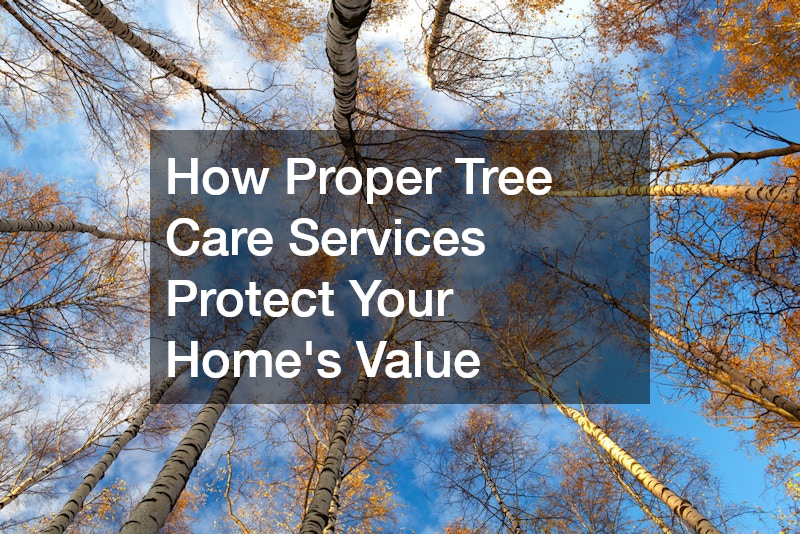
Mature, vibrant trees are often the crown jewels of residential landscaping. They lend an immediate sense of permanence, warmth, and natural beauty to a property that no hardscaping project or new construction can replicate. Beyond their aesthetic charm, healthy trees provide essential cooling shade during sweltering summer months, serve as natural windbreaks during harsh winters, and create a welcoming environment for local wildlife. Studies consistently show that homes framed by well-maintained landscapes command anywhere from 5% to 20% more on the open real estate market compared to properties with barren lots or neglected vegetation. Buyers naturally assign higher psychological and monetary value to properties that feel established and cared for.
However, trees are dynamic living organisms that require ongoing attention. Without regular maintenance, the very trees meant to enhance a property can quietly transform into significant financial liabilities. Overgrown branches can compromise roof structures, dying limbs pose severe falling risks during unpredictable weather, and neglected root systems or decaying wood can attract destructive pests right to your doorstep. Preserving property value is not merely about planting trees and letting nature take its course; it demands a proactive approach to tree management. By understanding how structured care protects both your living landscape and your physical home, you safeguard your long-term real estate investment while enjoying a safer, more beautiful outdoor space.
Boost Curb Appeal and Property Value with Healthy Trees
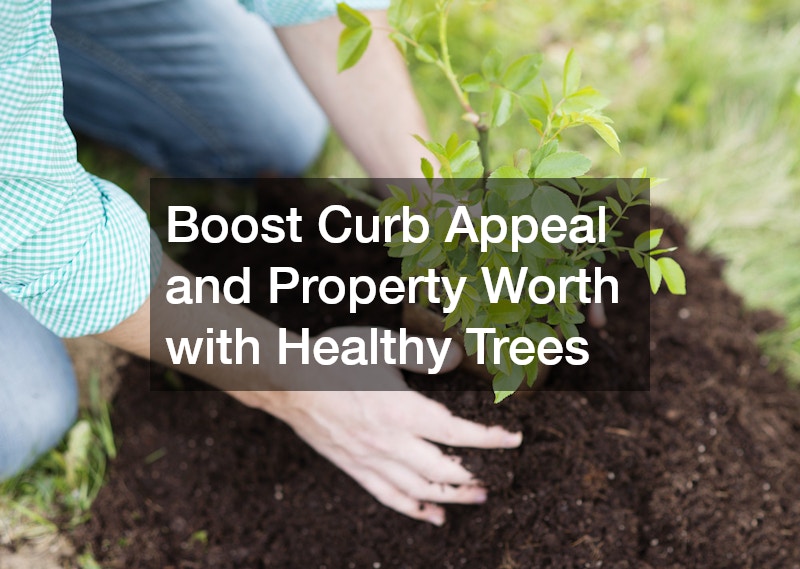
First impressions carry immense weight in real estate. When prospective buyers, appraisers, or even neighbors approach a home, the canopy of your landscape is often the very first thing they notice. A well-balanced tree with lush green leaves and a symmetrical, clear structure signals that the entire property has been meticulously maintained. Conversely, trees plagued by yellowing leaves, patchy growth, unaddressed disease, or dead branches projecting over the driveway give the impression of deferred maintenance. Buyers often assume that if the exterior landscape has been ignored, invisible structural or mechanical problems may exist inside the house as well.
Implementing systematic tree care services ensures that your trees remain vibrant assets rather than eye-sores. Professional tree care services help homeowners establish customized schedules for fertilization, pest resistance, and deep-root feeding that keep foliage dense and colorful throughout the growing season. Beyond basic health, structural shaping plays a vital role in aesthetic appeal. Allowing canopy growth to obscure architectural features, block natural sunlight from windows, or crowd nearby structures can make a property feel dark and cramped. Partnering with an experienced tree care company allows you to thoughtfully frame your home, open up views, and highlight key landscape features while preserving the structural integrity and long-term health of your specimens.
To maximize the visual and financial returns on your landscape investment, consider these practical maintenance strategies:
-
Schedule Annual Health Checks: Inspect tree bark, leaf density, and color at the start of every spring to catch nutrient deficiencies or early pathogen infections before visible decline sets in.
-
Maintain Structural Balance: Ensure main scaffold branches are evenly spaced along the trunk to promote symmetry and prevent top-heavy leaning over time.
-
Elevate Lower Canopies: Prune low-hanging branches over walkways, driveways, and lawns to create clean visual sightlines and provide safe, unobstructed clearance for foot traffic and lawn mowers.
-
Mulch Correctly around the Base: Apply a 2 to 4-inch layer of organic mulch around the root zone to retain moisture and suppress weeds, taking care to keep the mulch a few inches away from the trunk flare to prevent bark rot.
Prevent Costly Structural Hazards and Property Damage
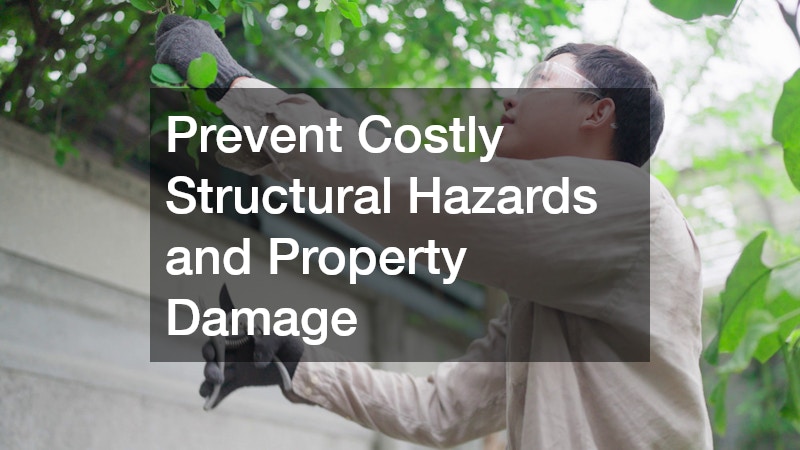
While aesthetic beauty is a primary goal, safety and risk mitigation are equally critical to preserving home value. As trees mature, their branches expand outward and upward, often encroaching on roofs, chimneys, siding, and utility lines. When heavy branches rub against shingles during windy days, they act like sandpaper, stripping away protective granules and leading to premature roof leaks. Leaves and small twigs dropping from overhead can quickly clog gutter systems, causing rainwater to back up under fascia boards, flood basements, or damage foundation perimeters.
Beyond surface-level friction, dying or structurally compromised limbs pose a constant threat of sudden collapse. Internal decay, fungal growth, and hollow trunks are not always obvious to an untrained eye, yet they dramatically weaken a tree’s load-bearing capacity. When an unstable limb or an entire dead tree falls, the resulting damage to roof trusses, vehicles, decks, or neighboring properties can easily run into tens of thousands of dollars in repairs and elevated insurance premiums. Relying on reputable local tree services allows homeowners to identify hidden structural defects early, ensuring that hazardous branches are safely removed before a failure occurs. In cases where a tree is severely diseased, structurally unstable, or planted far too close to a home’s foundation, arranging for local tree removal is often the most responsible and cost-effective decision to protect the broader structural integrity of the property.
To protect your home’s physical structure from tree-related hazards, keep the following guidelines in mind:
-
Enforce a Safe Roof Buffer: Maintain a minimum distance of 8 to 10 feet between any major branch tips and your roofline to prevent animal access and physical abrasion.
-
Inspect Trunks for Decay Signs: Look for shelf-like mushrooms growing along the trunk base, deep vertical cracks in the bark, or hollow cavities that indicate internal rot.
-
Monitor Ground Leaning: Pay close attention to trees that suddenly develop a lean or show signs of root soil heaving on one side, which points to severe root instability.
-
Clear Gutters Seasonally: Clean out roof gutters at least twice a year—especially in late autumn—to ensure overhead tree debris does not compromise your home’s water drainage systems.
Prepare Your Landscape to Survive Severe Weather

Severe weather events—ranging from heavy summer thunderstorms and high-velocity windstorms to winter ice accumulation—put immense stress on residential trees. A healthy tree can flex with high winds and distribute physical weight evenly across its framework. However, trees with dense, un-thinned canopies act like sails in a storm, catching the full force of the wind and increasing the likelihood of whole-tree uprooting. Similarly, trees burdened by heavy interior deadwood or weak branch attachments are highly susceptible to sudden snapping under the weight of ice or excessive rain.
Proactive canopy management significantly improves a tree’s storm resilience. Utilizing a professional tree cutting service to thin out dense interior foliage allows wind to pass harmlessly through the canopy rather than pushing against it like a solid wall. Corrective pruning also removes weak “V-shaped” branch unions that are notoriously prone to splitting under heavy environmental loads. Despite the best preventive measures, intense storms can still inflict sudden damage across a neighborhood. When a heavy limb cracks, hangs precariously over a driveway, or rests on power lines, immediate action is required. Having access to a reliable emergency tree service ensures that dangerous storm debris is cleared swiftly and safely, minimizing secondary property damage and restoring access to your home without delay.
Consider these key steps to fortify your trees against unpredictable weather patterns:
-
Reduce Canopy Density: Thin out crowded interior branches to reduce wind resistance, allowing heavy gusts to pass through the tree with minimal structural strain.
-
Correct Narrow V-Crotches: Identify main stems that join at sharp angles with included bark and have them structurally braced or pruned early in their growth cycle.
-
Remove Pre-Existing Deadwood: Consistently cut out dead, broken, or diseased limbs that are most likely to dislodge and transform into airborne projectiles during high winds.
-
Establish a Post-Storm Inspection Routine: Walk your property immediately after major storms to check for subtle cracks, hanging limbs, or fresh soil movement around the root zone.
Precision Pruning and Expert Canopy Management
Tree pruning is both an scientific discipline and an art form. Every cut made to a branch alters the growth pattern of the tree and creates a temporary wound that the organism must seal over. Indiscriminate cutting, improper flush cuts, or leaving long branch stubs can permanently disfigure a tree and open pathways for decay-causing fungi and wood-boring insects. One of the most destructive practices seen in residential landscapes is tree “topping”—the practice of shearing off the top major branches to reduce height. Topping stresses the tree severely, inducing the rapid growth of weakly attached shoots that are far more dangerous in the long run than the original canopy.
Ensuring your trees receive proper pruning requires specialized skill and precision. Working with a skilled local tree trimmer guarantees that cuts are made at the exact branch bark collar, promoting rapid natural healing and minimizing wood exposure to rot. Furthermore, complex landscape decisions—such as diagnosing rare vascular diseases, assessing soil compaction levels, or managing mature historic trees—demand advanced expertise. Consulting a certified arborist provides access to comprehensive diagnostic tools and scientific care strategies that optimize long-term tree longevity. These specialists can evaluate root health, recommend soil aeration techniques, and create multi-year preservation plans that keep your landscape’s highest-value specimens thriving for generations.
To ensure your tree pruning efforts support health rather than causing harm, follow these best practices:
-
Follow the One-Third Pruning Rule: Never remove more than 25% to 30% of a tree’s living canopy in a single growing season to avoid severe stress and starvation.
-
Use the Three-Cut Pruning Method: When removing heavy limbs, use a series of three distinct cuts to prevent the weight of the falling branch from tearing bark down the main trunk.
-
Prune During Dormancy: Whenever possible, perform major structural pruning during late winter while the tree is dormant to reduce sap loss and insect attraction.
-
Sanitize Pruning Tools: Clean shear blades and saws with rubbing alcohol between cuts—especially when working on diseased plants—to prevent spreading bacterial or fungal infections throughout the yard.
Protect Foundations, Substructures, and Soil Health
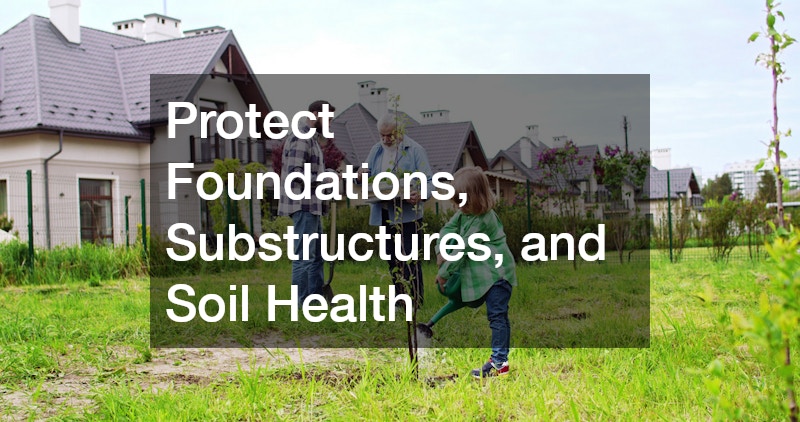
The relationship between your trees and the surrounding ground plays a foundational role in both landscape health and home preservation. Tree roots extend far beyond the drip line of the canopy, searching constantly for moisture, oxygen, and essential minerals. In compacted, nutrient-depleted soil, roots are forced to grow near the surface, where they can crack concrete driveways, buckle brick pavers, and interfere with shallow underground drainage pipes. Managing soil quality through proper organic enrichment and deep-root aeration encourages deep, stable root systems that anchor the tree firmly without disrupting surrounding hardscapes.
On larger residential lots or properties transitioning from wooded environments, managing ground-level vegetation and overgrown underbrush presents a distinct challenge. Utilizing forestry mulching is an exceptionally efficient way to clear thick brush, invasive saplings, and stumps while simultaneously turning that organic matter into a protective layer of wood chips. This process prevents soil erosion, retains ground moisture, and eliminates unsightly tangled brush that lowers property appeal.
At the same time, managing dead organic material around the yard is crucial for pest prevention. Decaying tree stumps, rotting roots, and deadwood left sitting near a home create ideal nesting sites for subterranean pests. If left unmanaged, these colonies can easily migrate from outdoor timber directly into the wooden frame of your house. Integrating proactive wood care with comprehensive termite control ensures that decaying tree matter does not become a bridge for destructive insects to invade your living space and compromise your foundation.
To maintain healthy soil and protect your home’s substructure, incorporate these operational tips:
-
Keep Deadwood Away from Foundations: Store firewood and remove decaying stumps at least 20 feet away from the main house to eliminate attractive pest habitats.
-
Recycle Brush into Nutrient-Rich Mulch: Process cleared underbrush and small fallen branches into native ground mulch to protect topsoil from washing away during heavy downpours.
-
Maintain Consistent Soil Moisture: Water mature tree root zones during prolonged drought periods to prevent roots from shrinking and causing soil shifting near foundation walls.
-
Establish Root Barriers Near Hardscaping: Install specialized underground physical barriers along driveways and walkways if planting aggressive-rooting species nearby.
Caring for mature landscape trees is one of the most effective ways to preserve the safety, visual appeal, and monetary value of your home. By taking a proactive approach—addressing minor structural flaws before they become major liabilities, maintaining safe clearances from roofs, and keeping soil environments healthy—you ensure that your property remains a safe, attractive, and high-value asset. Walk your property regularly, keep an eye out for early signs of stress or decay, and invest in systematic maintenance to enjoy the compounding benefits of a thriving residential landscape for years to come.